Pakistan is a land of geological superlatives. It is the only place on Earth where three of the world’s most formidable mountain ranges—the Himalayas, the Karakorams, and the Hindu Kush—converge. For the modern traveler, this means that driving through Pakistan is not merely a commute; it is an expedition through history, varying climate zones, and vertical extremes.

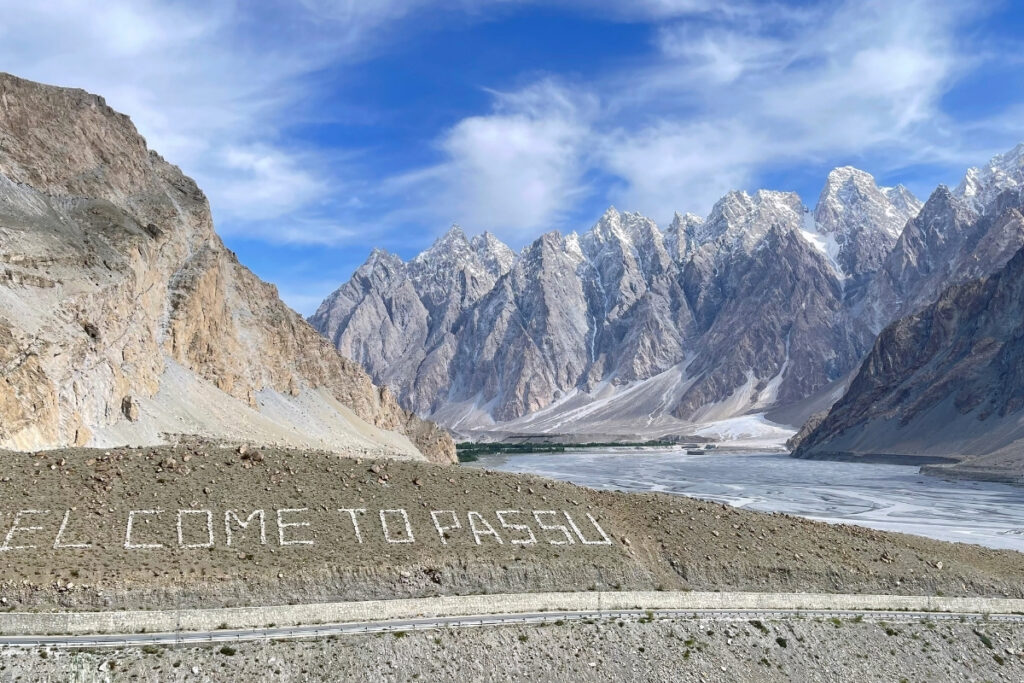
Source: Passu cones
Guide to the Top 10 Best Scenic Drives in Pakistan
This guide explores the ten most spectacular routes in the country, providing the technical depth and local insight required for a safe and unforgettable journey.
1. The Karakoram Highway (N-35): The Eighth Wonder of the World
View this post on Instagram
The Karakoram Highway (KKH) is the undisputed crown jewel of Pakistani road trips. Stretching 1,300 kilometers from Hasan Abdal to the Khunjerab Pass, it traces the ancient Silk Road.
The Landscape
The drive begins in the humid foothills of Punjab and Khyber Pakhtunkhwa, but the scenery shifts dramatically as you enter the Kohistan district. Here, the road is carved into sheer cliffs overlooking the Indus River. The true spectacle begins at the Raikot Bridge, where the Nanga Parbat (8,126m) suddenly dominates the horizon. As you move into the Hunza Valley, the peaks become sharper, culminating in the iconic Passu Cones and the massive glaciers of Gulmit.
Essential Traveler Info
-
Best Time: May to October.
-
Technical Challenge: High. Watch for “shooting stones” in the Kohistan canyon.
-
Pro Tip: Stop at the “Junction of Three Mountain Ranges” near Jaglot to see where the Indus and Gilgit rivers meet beneath the collision point of the world’s greatest mountains.
2. Makran Coastal Highway (N-10): The Blue Desert
View this post on Instagram
For those who prefer the ocean over the abyss, the Makran Coastal Highway offers a 653 km stretch of world-class asphalt alongside the Arabian Sea.
The Landscape
This is a landscape of “lunar” beauty. The road carves through Hingol National Park, where wind erosion has sculpted mud mountains into statuesque forms like the Princess of Hope and the Sphinx of Balochistan. The contrast between the golden desert cliffs and the deep turquoise of the Arabian Sea at Kund Malir is a visual experience unlike any other in South Asia.
Essential Traveler Info
-
Best Time: November to March (to avoid the 45°C+ summer heat).
-
Technical Challenge: Low (Excellent road quality).
-
Pro Tip: Fuel up completely in Karachi. There is a 200km stretch between Kund Malir and Ormara with virtually no reliable fuel stations.
3. Kaghan Valley to Babusar Top (N-15)
View this post on Instagram
The N-15 is the “green” alternative to the KKH, offering a lush, alpine experience that feels more like the Alps than the rugged Karakorams.
The Landscape
Starting from the river-side town of Balakot, the road hugs the Kunhar River. You pass through Naran, a bustling base for hikers, before the road begins its steep, winding ascent to Babusar Pass (4,173m). At the summit, you are treated to a 360-degree view of the Malika Parbat and the distant peaks of Gilgit-Baltistan.
Essential Traveler Info
-
Best Time: July to September (The pass is snow-blocked for 8 months of the year).
-
Technical Challenge: Moderate. The descent from the Top toward Chilas is incredibly steep.
-
Pro Tip: Use engine braking (low gears) to prevent your brakes from overheating and failing on the long descent.
4. Skardu Road (S-1): The Gateway to the Giants
View this post on Instagram
Historically one of the most dangerous roads in the world, the recently upgraded Skardu Road is now a masterpiece of engineering.
The Landscape
The road follows the Indus River through a gorge so narrow and deep that sunlight only hits the road for a few hours a day. The granite walls rise vertically for thousands of feet. As you emerge from the gorge, the valley opens into the Skardu Basin, home to the Katpana Cold Desert and the serene Shangrila Lake.
Essential Traveler Info
-
Best Time: April to November.
-
Technical Challenge: Moderate. Despite the paving, the road is subject to landslides during monsoon rains.
-
Pro Tip: Stop at the Astak Nala halfway for a break; it’s one of the few places with reliable local food and fresh mountain water along the gorge.
5. Swat Valley to Kalam & Ushu Forest
View this post on Instagram
The Swat Valley, often called the “Switzerland of the East,” offers a drive characterized by roaring rivers and thick cedar forests.
The Landscape
The drive from Mingora to Kalam follows the emerald-green Swat River. Beyond Kalam, the road enters the Ushu Forest, a dense canopy of ancient trees that leads to the glacial Mahodand Lake. The backdrop of the Mattuiltan waterfalls makes this one of the most romantic drives in the country.
Essential Traveler Info
-
Best Time: April to October.
-
Technical Challenge: Low to Kalam; High to Mahodand Lake (requires 4×4).
-
Pro Tip: Visit in late October to see the valley turn a vibrant gold and orange as the autumn leaves change.
6. Neelum Valley Road: The Emerald Ribbon
View this post on Instagram
Azad Jammu & Kashmir’s Neelum Valley offers a drive through a landscape of impossible greens and dramatic waterfalls.
The Landscape
The road runs parallel to the Neelum River, with lush hills on both sides. Highlights include the Dhanni Waterfall, which crashes right beside the highway, and the historic town of Sharda. The drive ends at Taobat, the final village before the mountains become impassable.
Essential Traveler Info
-
Best Time: May to August.
-
Technical Challenge: Moderate. Roads can be narrow and slippery during rain.
-
Pro Tip: Foreign travelers should check current NOC (permit) requirements, as the road runs very close to the Line of Control.
7. Deosai Plains: Driving the Roof of the World
View this post on Instagram
This is not a road for the faint of heart. Crossing the Deosai National Park (4,114m) is an overlanding experience across the second-highest plateau in the world.
The Landscape
There are no trees here—only rolling plains, crystalline streams, and millions of wildflowers. You drive past Sheosar Lake, which reflects the Himalayan peaks in its still waters. This is a sanctuary for the Himalayan Brown Bear and the Golden Marmot.
Essential Traveler Info
-
Best Time: July and August ONLY.
-
Technical Challenge: Very High. A high-clearance 4×4 is mandatory.
-
Pro Tip: Camp at Bara Pani to experience some of the clearest night skies and best stargazing on the planet.
8. Shandur Pass: The Polo Trail
View this post on Instagram
Connecting Chitral and Gilgit, the Shandur Pass (3,700m) drive is a journey through the rugged Hindu Kush.
The Landscape
The pass is home to the “World’s Highest Polo Ground.” The drive takes you through the Ghizer district, known for its turquoise lakes (like Khalti Lake) and traditional stone-built villages. It is a dry, high-altitude landscape that feels ancient and untouched.
Essential Traveler Info
-
Best Time: July (during the Shandur Polo Festival).
-
Technical Challenge: High. The road is unpaved and remote.
-
Pro Tip: Ensure you have a full spare tire and a tire repair kit; the sharp shale rocks on this route are notorious for punctures.
9. Pir Chinasi: The Spiral to the Clouds
View this post on Instagram
Located near Muzaffarabad, Pir Chinasi is a drive that focuses on verticality and rapid elevation gain.
The Landscape
The road spirals up to 2,900m in just a few kilometers. At the summit, you are rewarded with a 360-degree view of the Neelum and Jhelum valleys. It is a popular spot for paragliders and those seeking a quick escape from the summer heat of the plains.
Essential Traveler Info
-
Best Time: March to October.
-
Technical Challenge: Moderate. The road is paved but exceptionally steep.
-
Pro Tip: Go for sunrise. Watching the clouds break over the Muzaffarabad valley from the shrine at the top is a spiritual experience.
10. Gorakh Hill: The Snow in the Desert
View this post on Instagram
In the heart of Sindh’s Kirthar Mountains lies Gorakh Hill, an anomaly where temperatures can drop to freezing while the plains below bake in 50°C heat.
The Landscape
The drive from Dadu through Wahi Pandhi is a rugged ascent through a dry, jagged mountain range. The road is famous for its sharp switchbacks and the dramatic change in climate as you ascend to 5,688ft.
Essential Traveler Info
-
Best Time: December to February.
-
Technical Challenge: High. The inclines are too steep for most sedans.
-
Pro Tip: Most travelers leave their cars at Wahi Pandhi and hire a local 4×4 driver who knows the “death-defying” curves of the final ascent.
Solving the Traveler’s Dilemma: FAQs & Safety
Which drive is best for families?
The Karakoram Highway (to Hunza) and the Makran Coastal Highway are the most family-friendly due to road quality and the availability of hotels.
Do I need a 4×4?
For 70% of these routes, a standard car is fine. However, Deosai, Shandur, and the final stretch of Gorakh Hill strictly require a 4×4 vehicle.
How is the mobile signal?
In the North (GB and AJK), SCOM is the only reliable network. In Balochistan (Coastal Highway), signals are very spotty outside of major towns like Ormara and Gwadar.
Final Technical Checklist:
-
Check Brakes: High-altitude descents kill brakes. Use engine braking.
-
Spare Parts: Carry a spare tire, fan belt, and basic toolkit.
-
Offline Maps: Download Google Maps for the entire region; data will fail in deep canyons.
-
Fuel: Never pass a fuel station without topping up in the North or Balochistan.
Conclusion: Which Path Will You Take?
Pakistan’s landscapes are not just backdrops; they are active participants in your journey. Whether you are navigating the high-altitude desert of the Karakoram Highway, cruising the pristine coastline of Makran, or braving the vertical spirals of Pir Chinasi, these routes prove why they are considered the Best Scenic Drives in Pakistan.
For the first-time traveler, the Hunza Valley via the KKH remains the gold standard for accessibility and “wow” factor. However, for those seeking the ultimate overlanding challenge, the raw, unscripted beauty of the Deosai Plains or Shandur Pass is the true test of spirit and machine.
Success on these roads depends on preparation. Respect the technical demands of high-altitude driving, stay mindful of the seasonal windows, and always prioritize the local expertise of those who call these mountains home. The roads of Pakistan are more than just transit lines—they are the gateway to a lifelong obsession with the “Roof of the World.”
Pack your bags, check your tires, and set your GPS for the adventure of a lifetime. The most beautiful road in the world is waiting for you.