The 2026 FIFA World Cup is the first tournament spread across the United States, Mexico, and Canada, and it is already generating record travel demand from U.S. fans. This fifa world cup 2026 travel guide for americans shows how to pick the best host cities, estimate real trip costs, find safe tickets, and turn every match day into a memorable North American vacation.
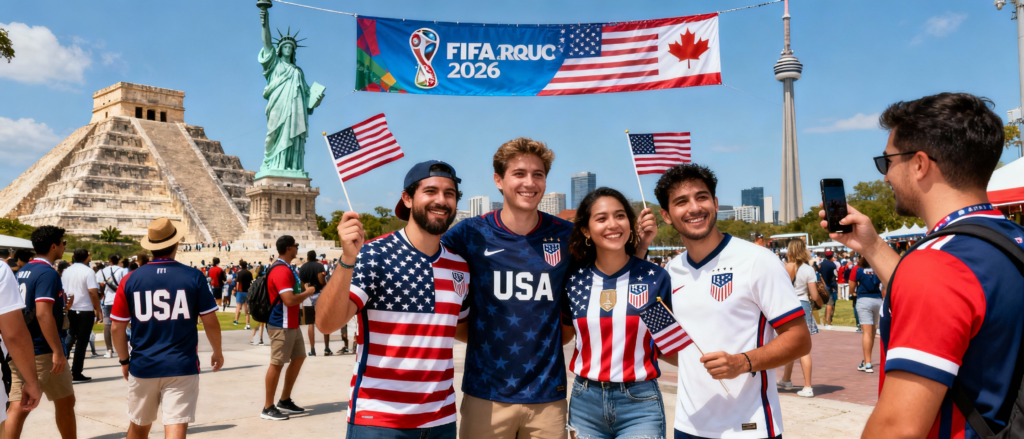
FIFA World Cup 2026 Travel Guide for Americans
The FIFA World Cup 2026 will be the biggest soccer tournament ever held in North America, with 48 teams playing in 16 host cities across the USA, Mexico, and Canada. This fifa world cup 2026 travel guide for americans shows where to go, how to keep costs under control, and how to turn match days into unforgettable vacations. Learn more about the 2026 FIFA World Cup format and schedule on the official FIFA or ESPN pages.
Table of contents
- What makes World Cup 2026 special for Americans?
- Which World Cup 2026 host cities are best for U.S. fans?
- How should Americans choose their World Cup region?
- How much does a World Cup 2026 trip cost?
- How can U.S. fans get World Cup 2026 tickets safely?
- Where should Americans stay during World Cup 2026?
- How can Americans combine matches with travel experiences?
- What safety and entry rules should Americans know?
- Expert tips and sample itineraries for U.S. fans
- FAQs about FIFA World Cup 2026 travel
What makes World Cup 2026 special for Americans?
- FIFA World Cup 2026 will be the first 48-team tournament, spread across the USA, Mexico, and Canada, with more matches and more host cities than ever before.
- Tourism and hospitality forecasts show a major visitor surge across North America, with airlines and hotels already adjusting capacity to serve fans.
Which World Cup 2026 host cities are best for U.S. fans?
The fifa world cup 2026 travel guide for americans should highlight which host cities fit different types of travelers, from budget fans to luxury seekers. Official host lists group cities into West, Central, and East clusters, helping you minimize flight time and hotel moves.
Key USA host cities to highlight for Americans:
- Los Angeles: West Coast base with SoFi Stadium, beaches, museums, and easy domestic air links.
- San Francisco Bay Area / Seattle / Vancouver: Great for fans who love nature, road trips, and cooler summer weather.
- Dallas, Houston, Kansas City: Central hubs with big stadiums, barbecue, and easier domestic flying from many U.S. cities.
- New York/New Jersey, Boston, Philadelphia, Miami, Atlanta: Ideal for first-time visitors who want matches plus iconic U.S. city breaks.
Mexico and Canada highlights for Americans:
- Mexico City, Monterrey, Guadalajara: Strong soccer culture, lower on-the-ground costs, and exciting food scenes.
- Toronto and Vancouver: Easy for many U.S. travelers, with strong infrastructure and plenty of nature and culture near stadiums.
How should Americans choose their World Cup region?
FIFA and many travel guides split host cities into East, Central, and West regions, which is perfect for U.S. fans who want fewer flights. The fifa world cup 2026 travel guide for americans should encourage picking one region per trip and using trains, short flights, or road trips between nearby cities.
Practical region strategies:
- East cluster (New York/New Jersey, Boston, Philadelphia, Miami, Atlanta, Toronto): Good train and short-haul flight links, great for first-time visitors from the U.S. East Coast and Europe.
- Central cluster (Dallas, Houston, Kansas City, Mexico City, Monterrey, Guadalajara): Strong airline networks, lower hotel costs in some cities, and easy to combine U.S. and Mexico in one itinerary.
- West cluster (Los Angeles, San Francisco Bay Area, Seattle, Vancouver): Ideal for fans who want road trips, national parks, and cooler weather with coastal cities.
How much does a World Cup 2026 trip cost?
Price forecasts show that flights, hotels, and match tickets will push travel costs higher in popular host cities, especially in the USA. However, careful planning can still make the fifa world cup 2026 travel guide for americans useful for both budget and mid-range travelers.
Key cost factors:
- Flights: Airline routes are being expanded to major host cities like New York, Los Angeles, and Dallas, but high demand can push fares up.
- Hotels: Hospitality analysts expect one of the biggest surges in hotel demand since 2019, especially around match days and city centers.
- Tickets and local transport: Match tickets may vary widely in price by stage of tournament, while taxis, transfers, and public transport will handle heavy crowds.
Ballpark budget ranges per person (excluding tickets):
- Budget fan: Hostels or budget hotels + public transport + cheap eats in secondary neighborhoods.
- Mid-range fan: Chain hotels, simple restaurants, city passes, and a few tours.
- Premium fan: Boutique or luxury hotels near stadiums, private transfers, and VIP experiences.
How can U.S. fans get World Cup 2026 tickets safely?
Ticket demand will be huge, and official channels are the safest way to buy. A solid fifa world cup 2026 travel guide for americans should warn against scalpers and unofficial resale sites that may offer fake or invalid tickets.
Ticket tips for Americans:
- Register for FIFA ticketing updates and follow official announcements so you know when sales phases open.
- If booking travel packages, choose reputable companies that clearly show ticket categories, stadium sections, and terms.
- Always pay with secure methods and avoid sending money by wire to unknown sellers.
Where should Americans stay during World Cup 2026?
Hotel and vacation rental demand will spike across all host cities, but trends show that flexible markets that adapt pricing and room types could gain the most. This means the fifa world cup 2026 travel guide for americans should suggest staying slightly outside the busiest zones if budget is tight.
Accommodation strategies:
- Stay near public transport, not only near the stadium: Being close to metro, train, or bus hubs can cut transfer times and save money.
- Use “base city + day trip” logic: In each cluster, pick one main base (like Los Angeles, Dallas, New York, or Mexico City) and visit nearby cities for matches.
- Book cancellable rates early: Lock in good locations now, then adjust as match dates and ticket allocations become clearer.
How can Americans combine matches with travel experiences?
Reports suggest that Americans are eager to travel for major events and want to “turn big moments into full trips,” especially around sports and cultural anniversaries. The fifa world cup 2026 travel guide for americans should therefore highlight how to add road trips, national parks, and city breaks to a match schedule.
USA trip ideas:
- West: Combine Los Angeles matches with coastal drives, desert trips, or national parks near California and the Pacific Northwest.
- Central: Use Dallas or Houston as a base, then explore Texas road trips, barbecue cities, and space centers.
- East: Pair New York or Boston games with city breaks in Philadelphia, Washington, D.C., or Niagara Falls via trains and short flights.
Mexico and Canada trip ideas:
- Mexico City + Guadalajara + Monterrey: Build a route with food tours, historic centers, and side trips to nearby cultural sites.
- Toronto + Vancouver: Blend matches with lakes, mountains, or coastal adventures for cooler summer escapes.
What safety and entry rules should Americans know?
Many Americans will not need a visa to attend matches in the United States, but they must still carry valid passports and follow standard TSA and entry rules. Travel to Canada and Mexico can involve different entry conditions, such as electronic travel authorizations or online forms, so checking official government sites before booking is essential.
Health and safety basics include normal big‑event advice: stay alert in crowds, keep valuables secure, and use only licensed taxis or reputable ride apps around stadiums. Travel and insurance reports also stress the importance of medical coverage and trip protection for international sports travel in case of delays, cancellations, or illness.
Expert tips for American World Cup travelers
Travel analysts expect World Cup 2026 to be one of the biggest tourism catalysts North America has ever seen, with huge demand spikes during key match phases. Reports on American leisure travel trends show that U.S. travelers still prioritize meaningful trips, even when budgets are tight, which means combining matches with memorable experiences is critical.
Experts in sports tourism suggest that Americans build flexible itineraries based on likely group matches rather than waiting for perfect knockout-stage tickets. Hospitality research also recommends booking centrally located hotels with free cancellation, then adjusting once match dates and stadium assignments are fully confirmed.
High-level expert tips:
- Book early, but stay flexible: Use refundable rates and flight options that allow changes with limited fees.
- Travel light and smart: Choose carry-on luggage where possible to move quickly between host cities.
- Anchor your trip to a theme: For example, “West Coast road trip and matches,” “Mexico food and football,” or “East Coast big cities and stadiums.”
Sample itineraries for American fans
Creating clear sample itineraries makes this fifa world cup 2026 travel guide for americans more useful to different budgets and trip lengths. These routes assume fans want a mix of matches, sightseeing, and manageable travel between cities.
7‑day East Coast city and stadium break (USA + Canada)
- Days 1–3: New York/New Jersey – Fly in from the U.S., settle in near Manhattan or Jersey City, attend one or two group matches, and explore landmarks like Times Square or the Statue of Liberty between games.
- Days 4–5: Philadelphia or Boston – Take a train or short flight to your second host city for more matches and historic neighborhoods.
- Days 6–7: Toronto – Finish with matches in Toronto plus lakefront walks, markets, and possible side trips to Niagara Falls before flying home.
This itinerary suits first‑time or returning travelers who want big city energy and easy train connections rather than long domestic flights.
10‑day Central U.S. and Mexico fan route
- Days 1–3: Dallas – Use Dallas as a central hub for games, barbecue, and day trips to nearby attractions or sports venues.
- Days 4–6: Houston or Kansas City – Add another U.S. host city with its own stadium and food scene, building in one free day between games.
- Days 7–10: Mexico City – Fly south for matches in Mexico City and explore historic streets, markets, and museums, plus possible side trips to nearby cultural sites.
This route works well for Americans who want a mix of U.S. familiarity and Mexico’s passionate football culture and food at often lower day‑to‑day prices.
10‑day West Coast road trip and stadium tour
- Days 1–4: Los Angeles – Land in L.A., see matches at SoFi Stadium, and enjoy beaches, theme parks, or museums on non‑match days.
- Days 5–7: San Francisco Bay Area – Drive or fly north to the Bay Area for matches plus scenic coastline drives and city walks.
- Days 8–10: Seattle or Vancouver – Finish in the Pacific Northwest with cooler weather, waterfront views, and another stadium atmosphere.
This itinerary is ideal for fans who love scenic drives and want to connect World Cup matches with national parks or classic American road trip routes.
FAQs about FIFA World Cup 2026 travel for Americans
Q1: Do Americans need a visa to attend World Cup 2026 matches in the USA?
Most U.S. citizens do not need a special World Cup visa for matches in the United States, but they must carry valid government‑issued ID and follow standard domestic travel and security rules.
Q2: Do Americans need a passport for Mexico or Canada World Cup 2026 matches?
Yes, U.S. citizens will need a valid passport to travel to Mexico or Canada, and some visitors may also need to complete simple online entry forms or authorizations before arrival.
Q3: When should Americans book flights and hotels for World Cup 2026?
Travel experts recommend booking flights and hotels as early as possible with flexible or refundable options, since demand and prices are expected to rise sharply closer to kickoff.
Q4: How can American fans keep World Cup 2026 travel on a budget?
Choosing less expensive host cities, staying slightly outside city centers, using public transport, and focusing on group‑stage matches are all proven ways to reduce overall trip costs.
Q5: Are World Cup 2026 host cities safe for American tourists?
Most host cities already handle large events regularly and are considered safe for visitors who follow basic precautions like avoiding risky areas late at night and keeping valuables secure.
Final thoughts for American fans
The 2026 FIFA World Cup is set to be one of the biggest travel moments of this decade, with millions of visitors and a major tourism boost across the USA, Mexico, and Canada. By using this fifa world cup 2026 travel guide for americans to choose smart host city clusters, book flexible flights and hotels early, and mix matches with road trips and city breaks, you can enjoy the tournament without losing control of your budget or your time.
If you’re ready to plan, start by picking your region (East, Central, or West), checking ticket phases, and mapping 1–2 sample itineraries that match your travel style. Then save this guide, share it with friends, and build a World Cup 2026 trip that feels less like a rush for seats and more like the North American vacation of a lifetime.